The Science of The Bloom

Visual stories of growth and data-driven farming

Close-up of vibrant hydroponic lettuce leaves glistening with water droplets under controlled LED lighting.
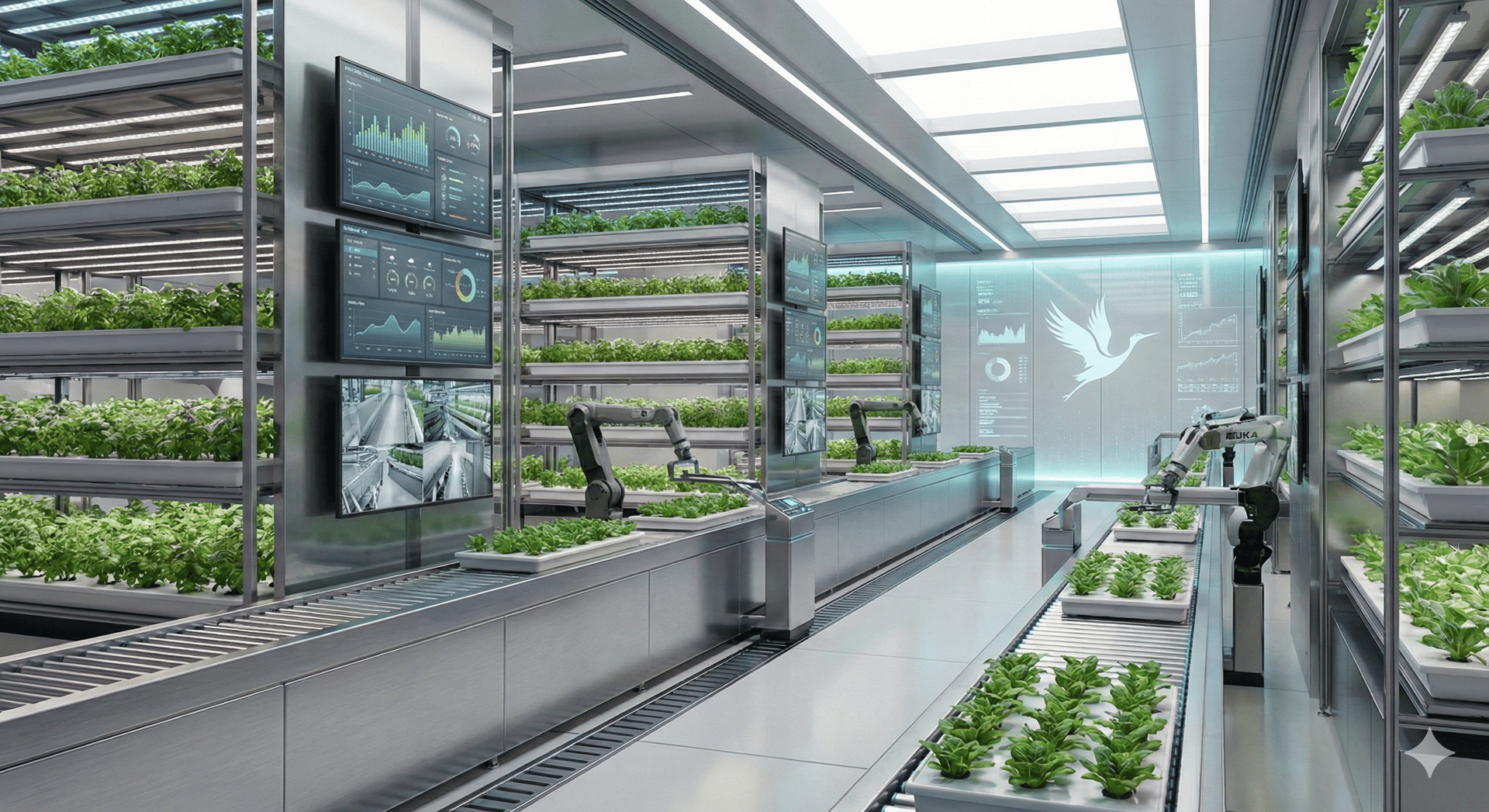
A wide shot of a modern indoor vertical farm with rows of leafy greens growing in nutrient-rich water.
Time-lapse style image showing the growth stages of tomatoes in a controlled environment setup.
Colorful infographic chart displaying global yield comparisons between hydroponic and traditional farming.
A scientist monitoring data on a tablet beside a hydroponic system filled with thriving herbs.
Consumer market graph illustrating rising demand for fresh, locally grown hydroponic produce.

While others debate, the world is building. See how leading Nations are securing their food future through advanced CEA.

The roots of modern Controlled Environment Agriculture are grounded in aerospace engineering. NASA pioneered the precision life-support systems we use today. Watch to understand how space-age innovation is securing the future of food on Earth.
FAQs

What is hydroponics?

Hydroponics is growing plants without soil, using nutrient-rich water.

Why use controlled environments?

Controlled environments optimize light, temperature, and humidity for better yields.

How does data improve growing?

Data helps identify trends in yields and consumer preferences, guiding smarter growing decisions.

We gather publicly available charts, videos, and images from global hydroponic studies.

Where do you source your data?
Who benefits from this data?

Growers, researchers, and consumers seeking healthier, sustainable food options.